Tackling MFI Drift in Recycled Polypropylene: A Compounding Perspective
A deep technical examination of melt flow drift during polymer reprocessing and how peroxide vis-breaking and chain stabilization ensure consistent rheology.
For precision injection moulders, Melt Flow Index (MFI) consistency is paramount. A batch fluctuating from 12 g/10min to 18 g/10min causes flash, short shots, and dimension variance. Here is how advanced compounding tames MFI drift in PCR polypropylene.
The Root Causes of Viscosity Shift
Polypropylene naturally undergoes chain scission when subjected to repeated shear and thermal stress. Conversely, cross-contamination with fractional HDPE can depress the observed MFI and disrupt shrinkage predictions.
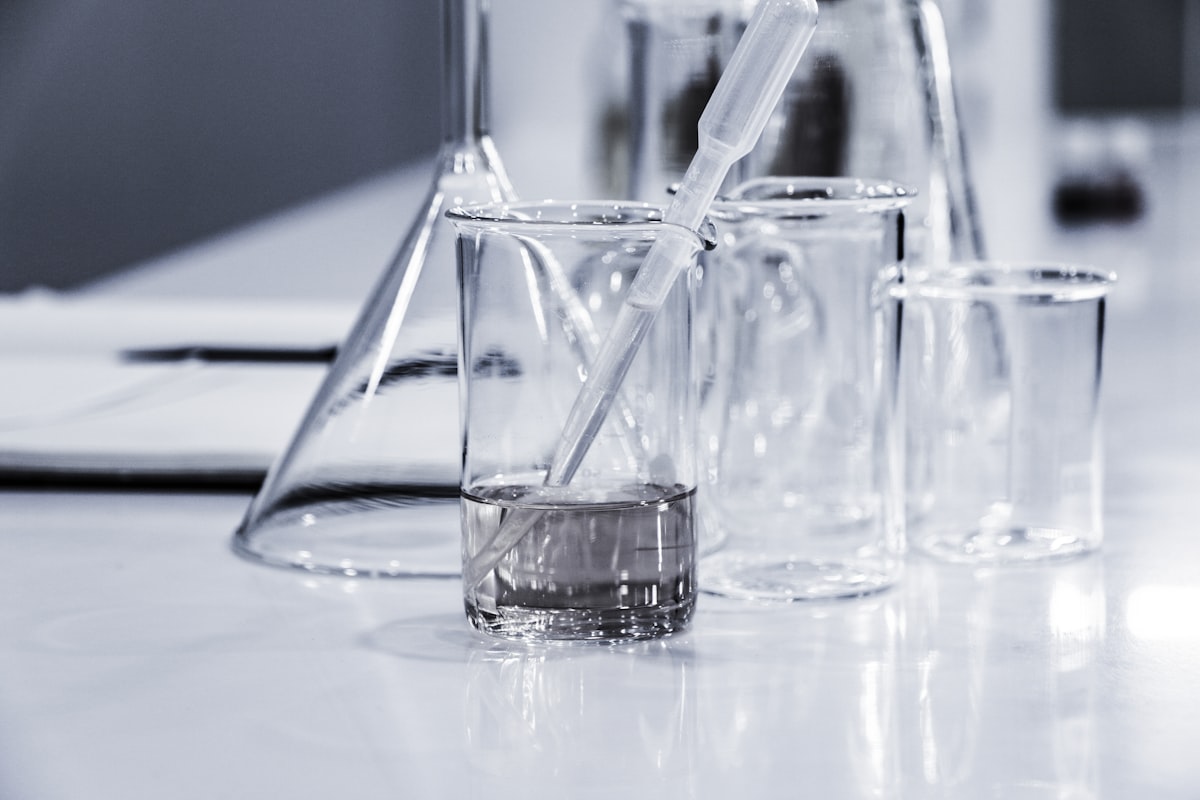
Diagnosing the incoming feedstock's baseline rheology through rapid capillary melt testing allows compounders to calculate precise additive compensation before the production run begins.
"Stabilizing viscosity before compounding begins saves days of trial-and-error downtime on the customer's factory floor."
Controlled Rheology Techniques
Using organic peroxides in micro-metered quantities allows controlled rheology cracking, precisely tuning higher-molecular-weight fractions down to target flow grades (e.g., converting a 3.5 MFI raffia stream into a stable 12 MFI injection grade).
Complementary hindered amine light stabilizers (HALS) and phenolic antioxidants lock the modified chains in place, preventing further thermal degradation during conversion.
- Accurate peroxide dispersion prevents local micro-cracking and erratic melt strength.
- Uniform MFI ensures uniform cavity filling across 32+ cavity precision mould tools.
- Consistent shrinkage characteristics eliminate warpage in snap-fit industrial assemblies.
Key Technical Takeaways
Conclusion
With disciplined formulation and process controls, recycled polypropylene grades achieve rheological reliability equal to virgin polymers.
Need customized polymer compounding?
Our technical engineering team works closely with converters and OEMs to formulate high-performance, sustainable polypropylene compounds tailored to your exact tooling.