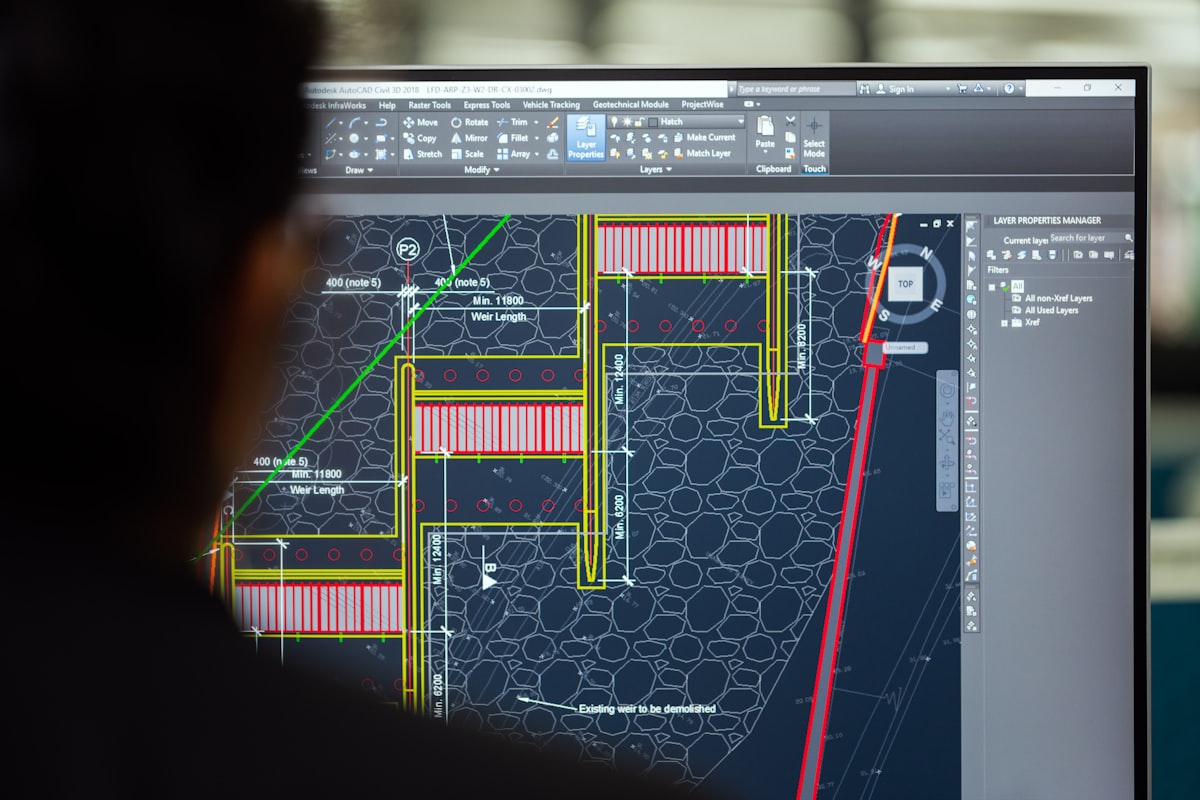
Advanced Manufacturing Solutions for Modern Industry
Exploring how precision compounding, rigorous melt flow control, and modern polymer technologies empower global manufacturers to achieve unmatched structural reliability with sustainable materials.
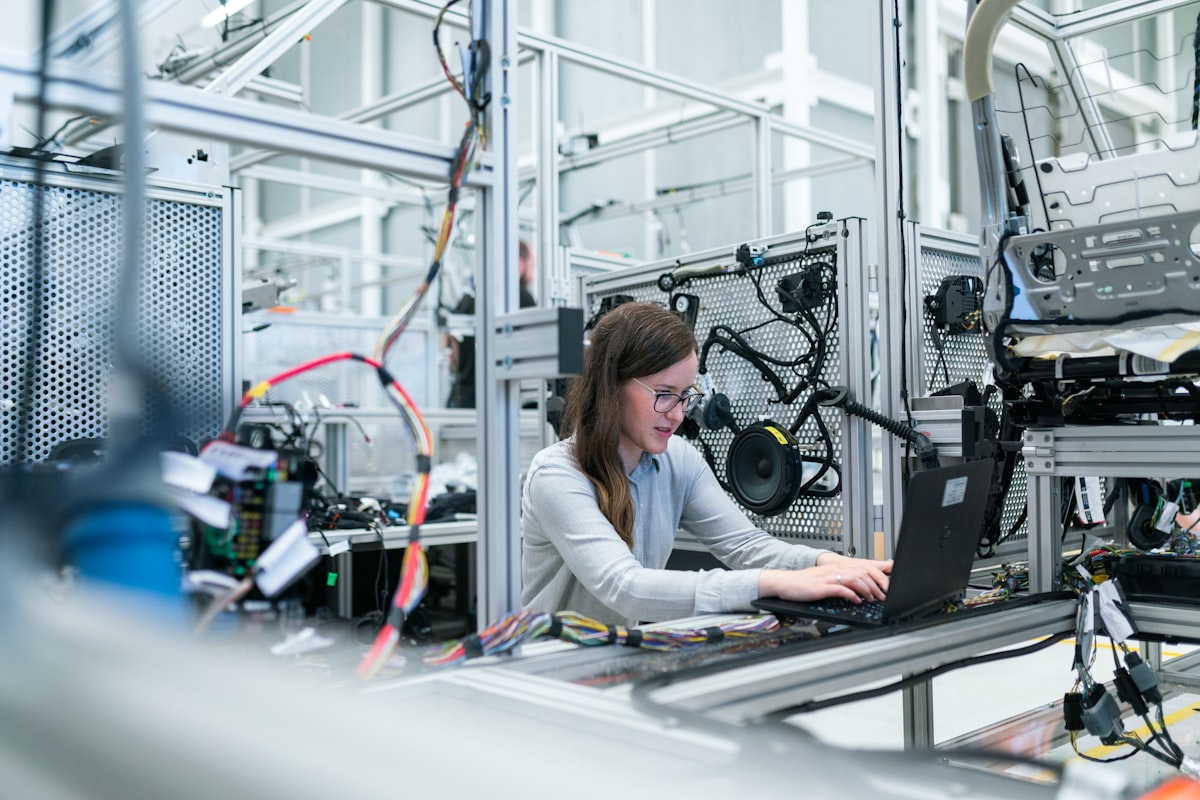
Modern manufacturing environments require tight operational margins, consistent raw material behavior, and uncompromising mechanical standards. As industries shift from virgin resins to circular alternatives, compounding precision has emerged as the cornerstone of sustainable manufacturing excellence.
The Challenge of Thermal and Viscosity Consistency
In high-speed injection moulding and industrial extrusion lines, minute variations in polymer rheology can result in flash, short shots, or uneven shrinkage. Post-consumer recycled (PCR) streams naturally introduce batch variability unless managed by tight twin-screw compounding and in-line melt filtration.
By implementing automated melt-flow index (MFI) control loops and continuous thermal monitoring, processors can maintain stable pressure profiles across extended production cycles without frequent machine parameter resets.
"Process stability is not an accident of feedstock; it is an engineered outcome of precision compounding and real-time rheological validation."
Tailored Formulations for High-Load Applications
Industrial components in sectors like automotive under-hood enclosures, logistics pallets, and heavy industrial pails require custom mechanical envelopes. Standard commercial polymers often fall short of meeting both flexural modulus and low-temperature Izod impact thresholds simultaneously.
Through custom elastomeric impact modifiers and surface-treated mineral fillers, compounded polypropylene grades deliver the tensile and impact strength needed to directly displace high-cost prime materials.
- Narrow MFI tolerances (±0.5 g/10min) ensure repeatable shot weights in multi-cavity tooling.
- Proprietary coupling agents boost interfacial bonding between matrix polymers and reinforcement additives.
- De-volatilization venting strips residual volatiles, eliminating post-moulding odour and surface defects.
Digital Quality Traceability Across the Batch Lifecycle
Every production lot at modern compounding facilities undergoes continuous laboratory verification—from ash content determination to differential scanning calorimetry (DSC) and melt flow indexing.
Supplying converters with lot-specific Certificate of Analysis (COA) data closes the loop between resin compounding and moulder uptime, eliminating costly floor trials.
Key Technical Takeaways
Conclusion
As global manufacturers scale their sustainability commitments, high-grade polymer compounding provides the engineering bridge needed to satisfy demanding structural benchmarks without sacrificing economic viability.
Need customized polymer compounding?
Our technical engineering team works closely with converters and OEMs to formulate high-performance, sustainable polypropylene compounds tailored to your exact tooling.